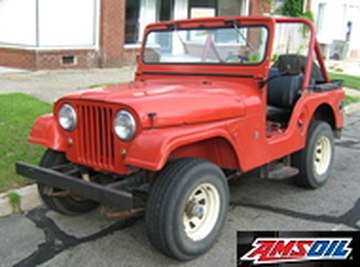
Maintaining Lubrication Standards for the 1981 Jeep CJ-5 4.2L
Proper engine care for a vehicle like the 1981 Jeep CJ-5 involves more than just periodic fluid changes; it requires a consistent approach to monitoring the mechanical health of the 4.2L engine. Because older engines often operate under varying conditions and may have different sealing characteristics than modern vehicles, owners should prioritize regular inspections and high-quality lubricant selection to ensure long-term operational stability.Monitoring Fluid Integrity and Seepage
A primary aspect of maintaining an older engine is the frequent observation of fluid condition and presence. For a 1981 Jeep CJ-5, visual inspections can reveal much about the current state of the engine's seals and gaskets. It is useful to look for signs of seepage or active leaks around various engine junctions. While some level of minor weeping may be observed in older engines, any significant accumulation of oil should be investigated promptly. When performing a routine inspection, check the area around the oil pan and the various sealing surfaces for evidence of moisture or residue. Additionally, monitoring the appearance of the oil itself can provide clues regarding engine health. If the lubricant appears excessively dark, gritty, or shows signs of contamination, it may indicate that the service interval has been exceeded or that internal components are contributing debris to the fluid.Observing Potential Operational Changes
Owners should remain attentive to how the vehicle behaves during and after operation. Changes in performance can sometimes be linked to lubrication issues. For instance, if you notice unusual mechanical noises that were not previously present, this warrants a closer inspection of the engine's lubrication state. Furthermore, keep an eye on any changes in exhaust characteristics. While many factors can influence exhaust appearance, certain colors or odors may indicate that oil is interacting with other engine processes. Similarly, if you find yourself needing to add lubricant more frequently than usual, this change in consumption patterns should be documented and investigated to determine the underlying cause. Always remember that a single symptom, such as an odor or a noise, can have multiple potential origins; therefore, professional diagnosis is often necessary when symptoms persist.Prioritizing Maintenance Based on Current Condition
Rather than following a rigid schedule based solely on the age of the vehicle, effective long-term ownership involves prioritizing tasks based on the actual condition of the 1981 Jeep CJ-5. If you have recently acquired this vehicle and do not have access to a complete service history, establishing a maintenance baseline is an excellent first step. This involves performing a comprehensive inspection of all fluids, filters, and visible mechanical components to understand the current state of the engine. Once a baseline is established, focus your efforts on addressing any active concerns first. This includes:- Investigating any identified fluid leaks or seepage.
- Addressing any unusual noises or changes in operating temperature.
- Verifying the condition of age-sensitive components like hoses or belts, if equipped.
- Reviewing and documenting all completed repairs and fluid changes.
Managing Aging Engine Components
As an engine ages, the materials used in its construction—such as various gaskets, seals, and rubber components—may undergo changes in flexibility and integrity. For the 4.2L engine in this Jeep, it is practical to inspect accessible hoses and belts, if present, for signs of cracking, glazing, or fraying. If you are using high-mileage oil formulations, be aware that some of these products contain additives intended for use in aging engines. Some high-mileage formulations include seal-conditioning additives that may help maintain the pliability of certain seals. However, these should be viewed as a maintenance aid rather than a definitive repair method for existing leaks. Regular visual checks remain the most reliable way to monitor how these components are holding up over time.Effective Record Keeping for Long-Term Ownership
For any owner of a classic vehicle like the 1981 Jeep CJ-5, documentation is a vital tool. Maintaining a consistent record of all maintenance performed—including the specific products used and the dates of service—allows you to see patterns in consumption or leakage. If you notice that the engine requires more frequent oil top-offs every six months, your records will provide the evidence needed to make informed decisions about repairs or changes in lubrication strategy. A well-maintained history also adds value to the vehicle and provides peace of mind, ensuring that no critical service item is overlooked due to a lack of information.Practical Guidance for Buying Engine Oil for your 1981 Jeep CJ-5 4.2L
When it is time to replenish your engine's lubricant, the most important step is to ensure the product matches the specific requirements of your application. Do not rely on general assumptions about what an older engine might need; instead, match the engine oil to the application-specific viscosity information shown above on this page. Before making a purchase, consider the following:- Verify Application Data: Always check the provided technical specifications on this webpage to ensure you are selecting the correct viscosity for your 4.2L engine.
- Check Product Labels: Ensure that any oil you purchase meets the appropriate API certification standards listed on the container.
- Evaluate Formulations: Depending on your specific needs and the current condition of your engine, you may choose between conventional, synthetic blend, or full synthetic oils. If your engine shows signs of age-related seal wear, you might consider high-mileage formulations that include specialized additives.
- Avoid Assumptions: Do not assume a certain oil grade is better simply because the vehicle is from 1981; always defer to the specific information provided for this exact model and engine.